

In aviation, ensuring the safety and security of aircraft and personnel is paramount. One critical aspect of this safety is the design and operation of hangar doors, particularly the hydraulic ones. These doors, often massive in size and weight, are integral to the functionality of aircraft hangars, allowing for the easy and efficient movement of aircraft in and out of the facility. Modern hydraulic hangar doors are equipped with various advanced safety features designed to prevent accidents, minimize risks, and protect valuable assets. This blog post explores these safety features in detail, highlighting their importance and how they contribute to a safe hangar environment.
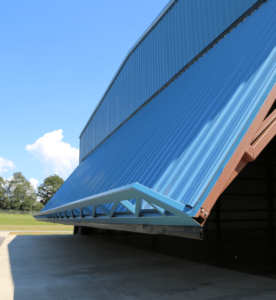
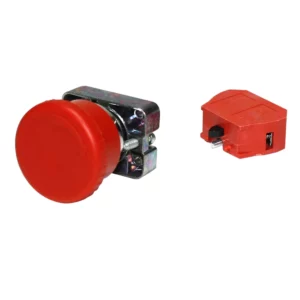
One of the fundamental safety features of modern hydraulic hangar doors is the automatic emergency stop system. This system is crucial in preventing accidents and injuries that could occur due to unexpected door movements. The emergency stop can be activated manually by operators or automatically in response to specific triggers, such as detecting an obstacle in the door’s path. This feature ensures that the door ceases operation immediately, minimizing the risk of collisions or entrapment.
Hydraulic hangar doors are equipped with advanced sensors designed to detect obstacles in their path. These sensors, which may include infrared, laser, or ultrasonic types, continuously monitor the door’s vicinity. If an object, person, or vehicle is detected in the door’s path, the sensors trigger an automatic stop or reversal of the door’s movement, preventing potential damage or injury. This feature is particularly important in busy hangar environments where the door’s path may be obstructed.
To reduce the wear and tear on the door components and minimize the risk of sudden jolts that could lead to accidents, modern hydraulic hangar doors are equipped with soft start and stop mechanisms. These systems ensure that the door accelerates and decelerates gradually, preventing abrupt movements that could be hazardous. This smooth operation not only enhances safety but also extends the lifespan of the door’s mechanical components.
In the event of a power failure or system malfunction, it is crucial to have a manual override option to operate the door. Modern hydraulic hangar doors typically feature a manual override system, allowing operators to open or close the door manually if needed. Additionally, fail-safe mechanisms, such as backup power systems or hydraulic accumulators, ensure that the door can be operated safely even during power outages. These features are essential for maintaining the operational integrity of the hangar and ensuring that personnel can access or secure the hangar as needed.
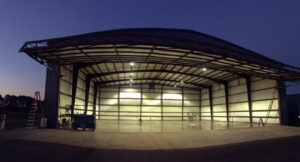
Hangar doors are often subjected to significant wind loads and pressure differences, especially in regions prone to extreme weather conditions. Modern hydraulic doors are designed to withstand these forces, incorporating robust construction and advanced engineering to ensure stability and safety. Features such as wind locks and reinforced door panels help prevent the door from being blown open or damaged during high winds, protecting both the aircraft inside and the structural integrity of the hangar.
Safety interlocks are crucial in preventing the door from being operated under unsafe conditions. For example, interlocks may prevent the door from opening if an aircraft is positioned too close to the door, or if the door is not properly aligned. Additionally, control systems for hydraulic hangar doors often include features such as key-switch operation, password protection, or remote monitoring capabilities, ensuring that only authorized personnel can operate the door and enhancing overall security.
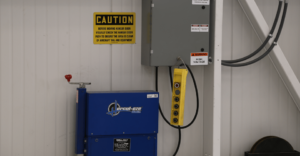
While not a feature of the door itself, regular maintenance and safety inspections are critical to ensuring the continued safe operation of hydraulic hangar doors. Routine checks can identify wear and tear, potential issues with sensors, or hydraulic leaks, allowing for timely repairs and preventing accidents. Many modern systems also incorporate diagnostics tools that provide real-time feedback on the door’s status, helping maintenance teams keep the door in optimal condition.

About the Author
Mark MacDonald
Mark MacDonald, a University of Mississippi graduate, is the Owner and CEO of Well Bilt Industries, a leader in aircraft hangar door manufacturing for nearly 40 years. Under his leadership, the company has expanded from bottom rolling hangar doors to include bifold and single panel hydraulic doors. Mark’s focus on quality has propelled WELL BILT into agriculture, marine, industrial, and residential markets, with all products manufactured using high-quality steel and UL-listed parts at their Ocala, Florida facility.