
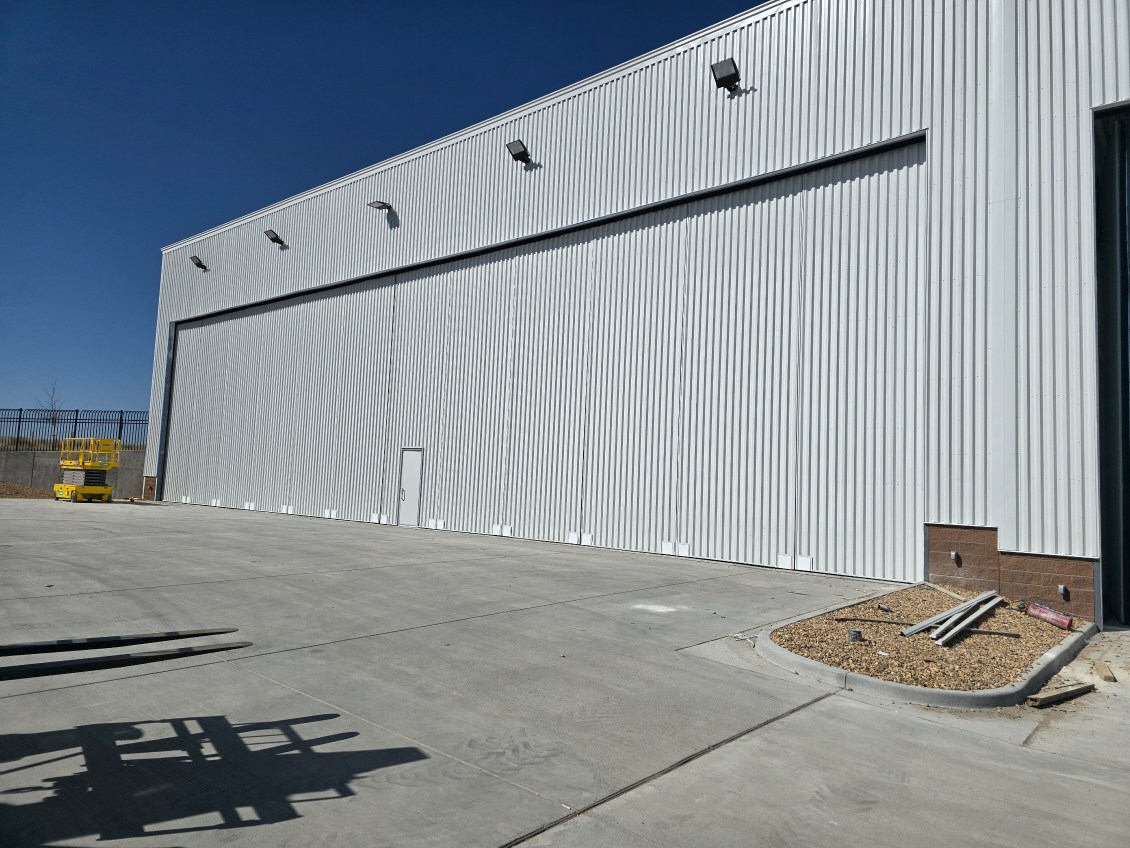
Aging hangar doors don’t have to be replaced to perform like new. In many cases, a targeted hangar door retrofit delivers the reliability, safety, and efficiency of a modern system-without the cost and downtime of a full replacement. For facility managers overseeing aircraft hangar doors in aviation, defense, and industrial environments, retrofitting can be the most strategic path to extend asset life while meeting today’s operational and compliance demands.
Full door replacement typically requires structural modifications, extended closures, and complex logistics around aircraft movement. A hangar door modernization keeps the existing leafs or panels in place and focuses upgrades on drive equipment, controls, safety devices, and sealing systems. The result is:
Every door is different, but the following retrofit elements consistently deliver measurable value:
Regulatory and airfield requirements evolve. A retrofit project is a chance to document safety circuits, add lockout/tagout placards, and align procedures with your facility’s EHS program. Clear manuals and on-site operator training reduce human error—still a leading cause of door incidents. Many operators also pair retrofits with preventive maintenance programs to keep performance steady year-round.
Frequent nuisance trips, manual overrides, and inconsistent travel times are productivity killers. With a modernized drive and controls package, doors open and close on spec—supporting turn times, sortie schedules, and shift changes. Meanwhile, VFDs and improved sealing can reduce power consumption and HVAC load. For large facilities, even a modest percentage improvement adds up over a fiscal year.
A proven process keeps surprises off the flight line:
If the door structure is compromised, clear openings need to change, or corrosion has significantly reduced capacity, a new hangar door may be the better long-term investment. The same assessment that informs a retrofit will make that determination clear.
Retrofitting industrial door systems in aviation settings demands engineering depth, field experience, and parts availability. A partner that designs and builds custom hydraulic systems, fabricates components in-house, and supports nationwide service can reduce risk and compress timelines—especially when multiple bays or facilities are involved.
Bottom line: A thoughtful hangar door retrofit delivers modern performance from a legacy asset—safely, cost-effectively, and with minimal disruption to operations. Whether you manage a single corporate hangar or a multi-bay MRO, upgrading operators, controls, safety devices, and seals can transform daily reliability while extending the useful life of your doors.
Looking to evaluate your doors? Our team can assess your current system and recommend a tailored retrofit scope that fits your budget and schedule.

About the Author
Mark MacDonald
Mark MacDonald, a University of Mississippi graduate, is the Owner and CEO of Well Bilt Industries, a leader in aircraft hangar door manufacturing for nearly 40 years. Under his leadership, the company has expanded from bottom rolling hangar doors to include bifold and single panel hydraulic doors. Mark’s focus on quality has propelled WELL BILT into agriculture, marine, industrial, and residential markets, with all products manufactured using high-quality steel and UL-listed parts at their Ocala, Florida facility.