
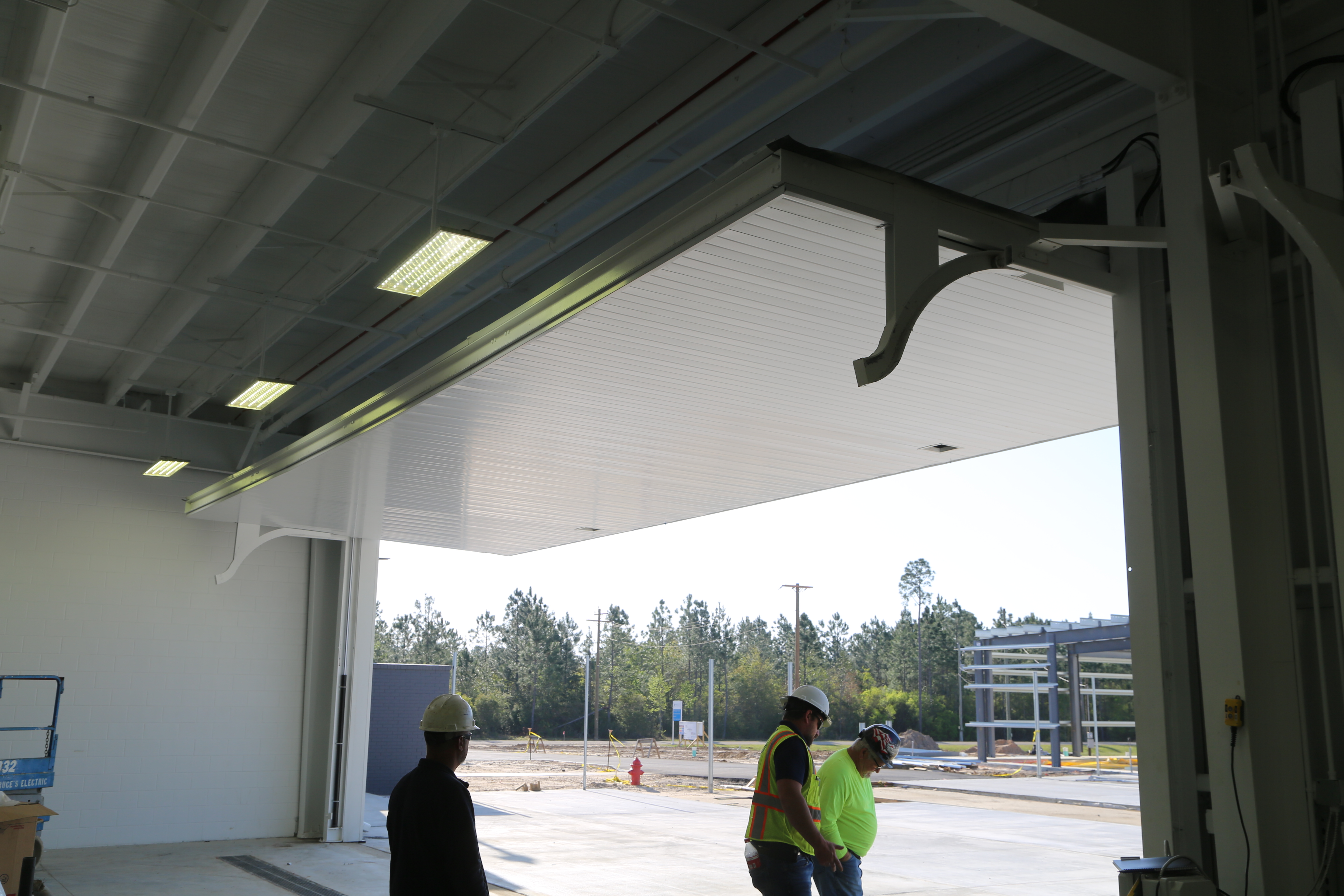
In aviation and industrial facilities, hangar doors are among the largest moving parts in a structure—and some of the most exposed to environmental stress. Wind load testing plays a vital role in the design, engineering, and certification of hangar doors, ensuring that these massive systems can withstand extreme pressures from hurricanes, high winds, and adverse weather conditions. At Well Bilt Industries, wind load compliance isn’t just a design consideration—it’s an engineering priority.
Wind load refers to the force exerted by wind on a structure. For hangar doors, especially those in coastal or hurricane-prone regions like Florida, this force can be substantial. The structural frame, door panels, tracks, and anchoring systems must be engineered to resist both positive and negative pressures caused by wind hitting and pulling on the door surface.
The effects of insufficient wind load resistance can be catastrophic: doors may warp, fail under pressure, or even detach entirely during a severe storm, endangering personnel and exposing valuable aircraft and equipment to damage. To prevent this, doors must be rigorously tested and built to meet specific wind load ratings based on local building codes and FEMA recommendations.
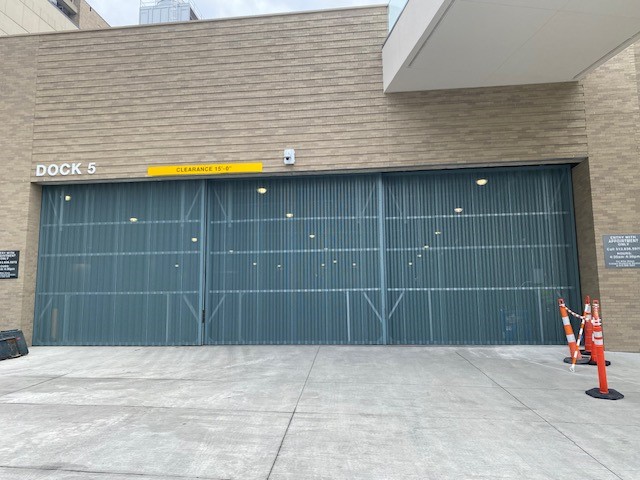
At Well Bilt Industries, hangar doors are engineered to meet or exceed state and national wind load standards, including Florida Product Approval and the International Building Code (IBC). Whether designing a sliding hangar doors, bi-fold hangar doors, or hydraulic hangar door, our team uses finite element analysis (FEA), structural calculations, and field-proven designs to ensure every system can endure the pressures it’s likely to face.
Key structural reinforcements—such as internal steel frames, horizontal girts, and anchoring systems—are customized to the project’s location and wind zone. Our engineers consider wind directionality, exposure category, and building shape to design doors that remain secure and functional even under extreme stress.
Wind load testing typically involves applying simulated wind pressure to the door structure, replicating both inward and outward forces. For certification, this testing must be performed by an accredited laboratory or under certified third-party observation. Well Bilt Industries works with recognized testing facilities to verify door system strength, including static pressure testing, deflection measurements, and anchoring analysis.
These results are then submitted as part of the product approval process, giving architects, contractors, and facility owners peace of mind that their door systems meet the necessary requirements. Beyond compliance, these tests demonstrate the product’s quality and engineering integrity under real-world conditions.
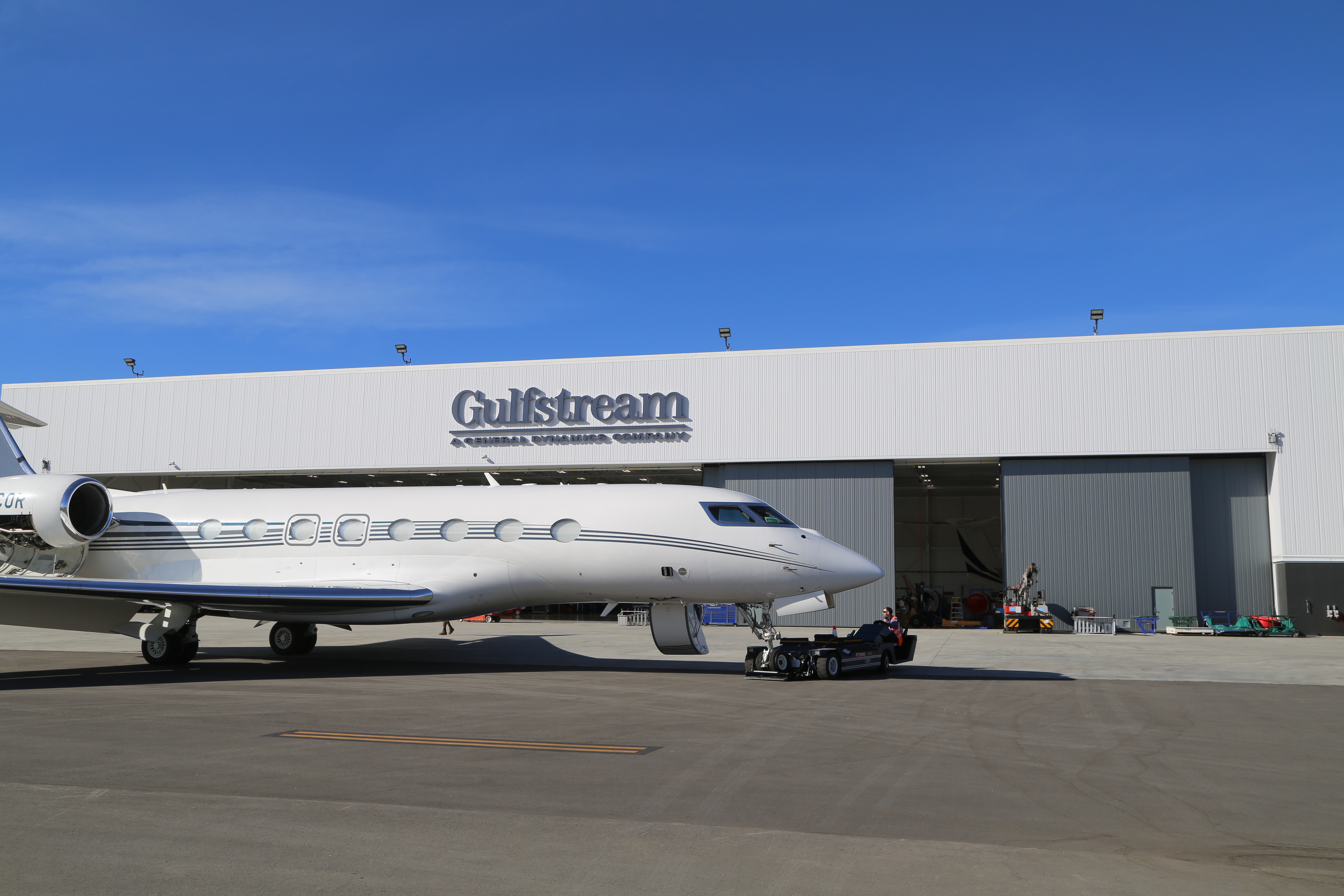
No two hangar door projects are identical. Varying building sizes, climates, and site-specific requirements demand a customized approach to wind resistance. For example, doors installed at coastal military installations may require design pressures exceeding 140 mph wind speeds, while inland facilities may need only standard compliance.
Well Bilt Industries tailors wind load engineering for each custom project, offering solutions like reinforced bottom rails, stiffened panel designs, and enhanced truss systems—all backed by validated testing data. Our ability to manufacture high-performance doors that meet custom wind load criteria is one of the reasons we’re trusted by government agencies, aerospace facilities, and commercial airports nationwide.
Even the best-engineered door can fail if not installed correctly. That’s why Well Bilt emphasizes not only quality manufacturing but also precision installation and post-installation inspections. Ensuring the door is properly anchored, aligned, and supported preserves its wind load resistance over time. Regular maintenance, particularly checking for corrosion, fastener integrity, and structural fatigue, also plays a key role in keeping the door system wind-ready year after year.
At Well Bilt Industries, we don’t leave wind resistance to chance. Our door systems are engineered with resilience in mind and backed by verified testing and field experience. From initial design to post-installation service, we help you meet compliance requirements while delivering peace of mind that your facility is protected.

About the Author
Mark MacDonald
Mark MacDonald, a University of Mississippi graduate, is the Owner and CEO of Well Bilt Industries, a leader in aircraft hangar door manufacturing for nearly 40 years. Under his leadership, the company has expanded from bottom rolling hangar doors to include bifold and single panel hydraulic doors. Mark’s focus on quality has propelled WELL BILT into agriculture, marine, industrial, and residential markets, with all products manufactured using high-quality steel and UL-listed parts at their Ocala, Florida facility.